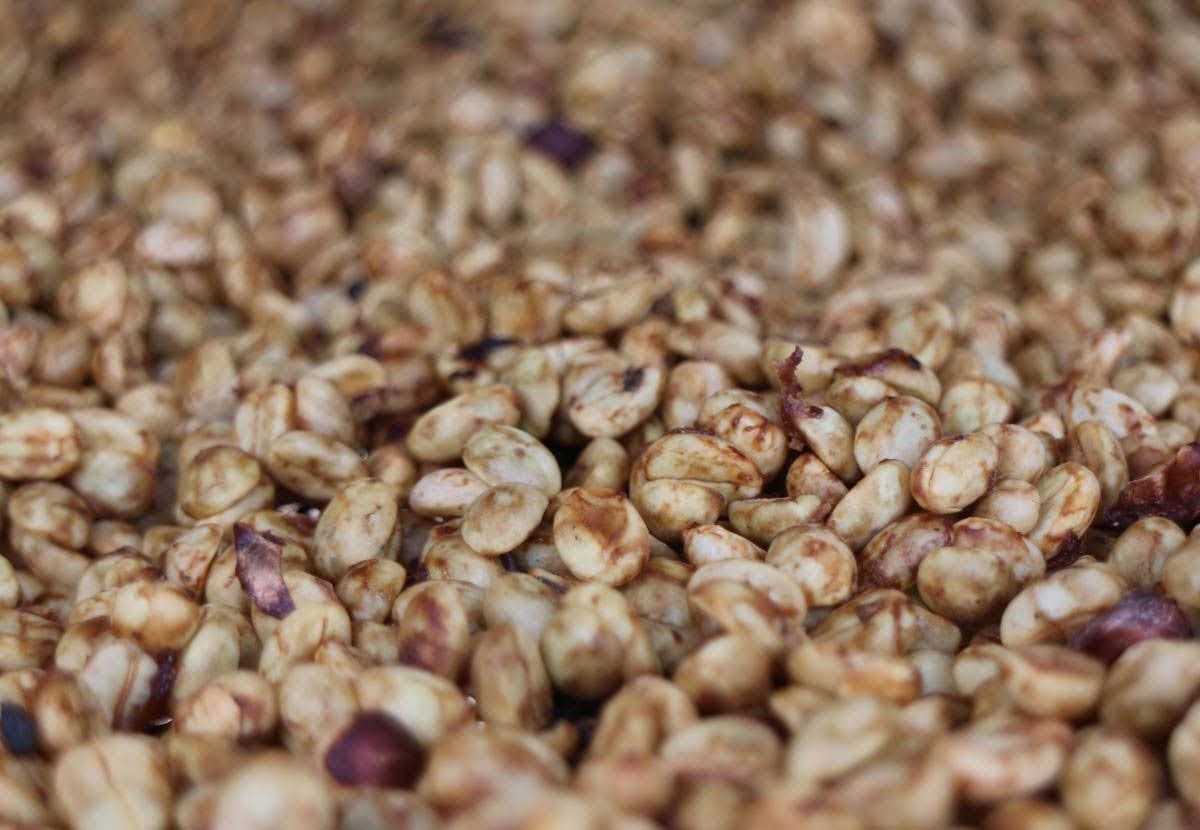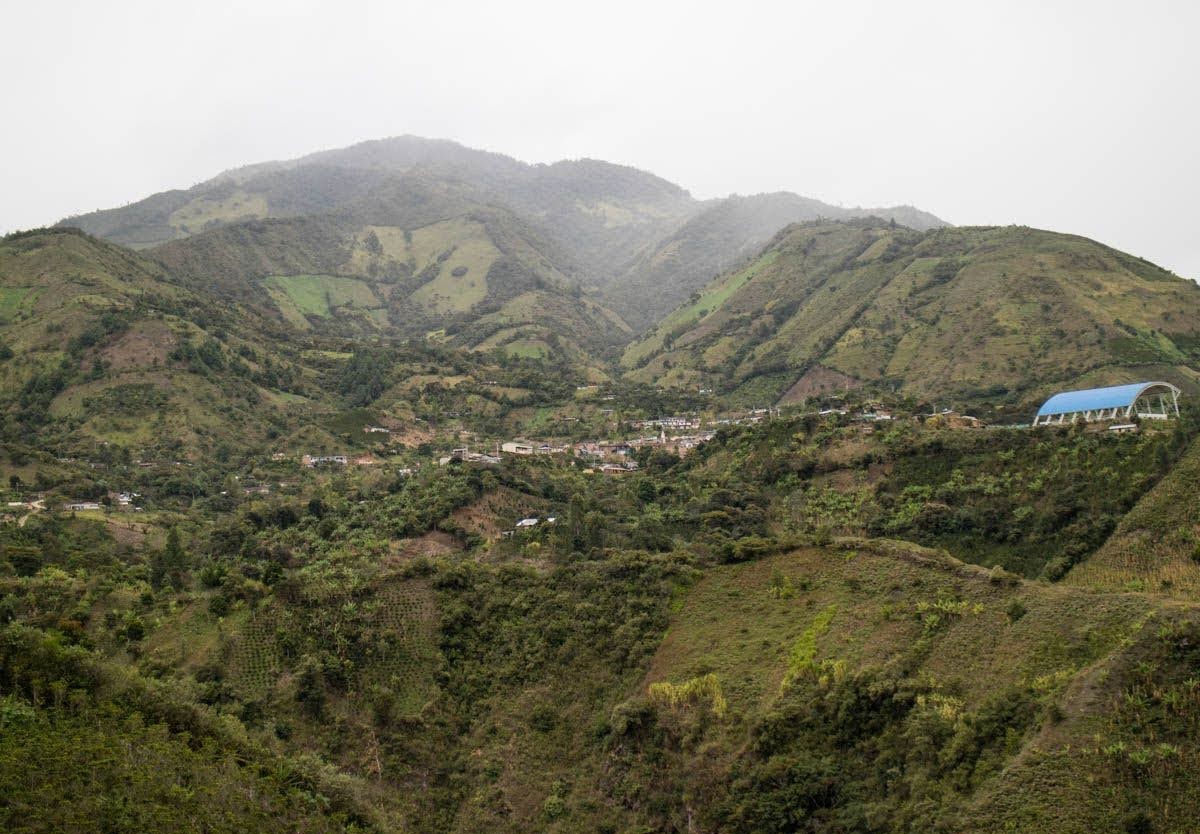
With bittersweet emotion, April 15th will be the last official roast for 6:am coffee subscriptions. I have been fortunate enough to be offered a paid internship at Cornell University in New York, and my schedule and living situation will not be adequate enough to continue roasting coffee for the summer. I will return to roasting coffee (privately) in September, but subscriptions will not be automatically renewed. If you would like to continue receiving coffee in September, please reach out to me via email or phone! Thank you all for sharing my love for coffee and adventures with coffee roasting!
- Tyler
A: Colombia Inzá Veredas Vecinas
washed Bourbon, Caturra, Typica, Variedad Colombia blend
This "Veredas Vecinas" blend is made up of coffees from neighboring villages (veredas) in the Inzá de Cauca region of Southwestern Colombia. The bulk of the coffee is sourced from a buying operation in San Antonio, where farms sit at high altitudes ranging from 1500 to over 2000 meters. The processing here is very traditional: farmers use hand-cranked or small-motor de-pulpers, ferment and wash the coffee in the same tank, and finally dry the seeds in covered drying rooms called "parabolicos". This lot is a blend of four distinct varieties—Bourbon, Caturra, Typica, and Variedad Colombia—sourced from individual farms that meet a specific cup criteria. By meticulously cupping and blending these small lots together, the importers are able to achieve a complex flavor profile that a single farm might not reach on its own. In the cup, you’ll find a very approachable and structured profile. I noticed a heavy foundation of sweet sugars and strong bittersweet chocolate, balanced by distinct hits of dried stone fruit.
B: Colombia Aponte
honey Caturra, Variedad Colombia, Typica blend
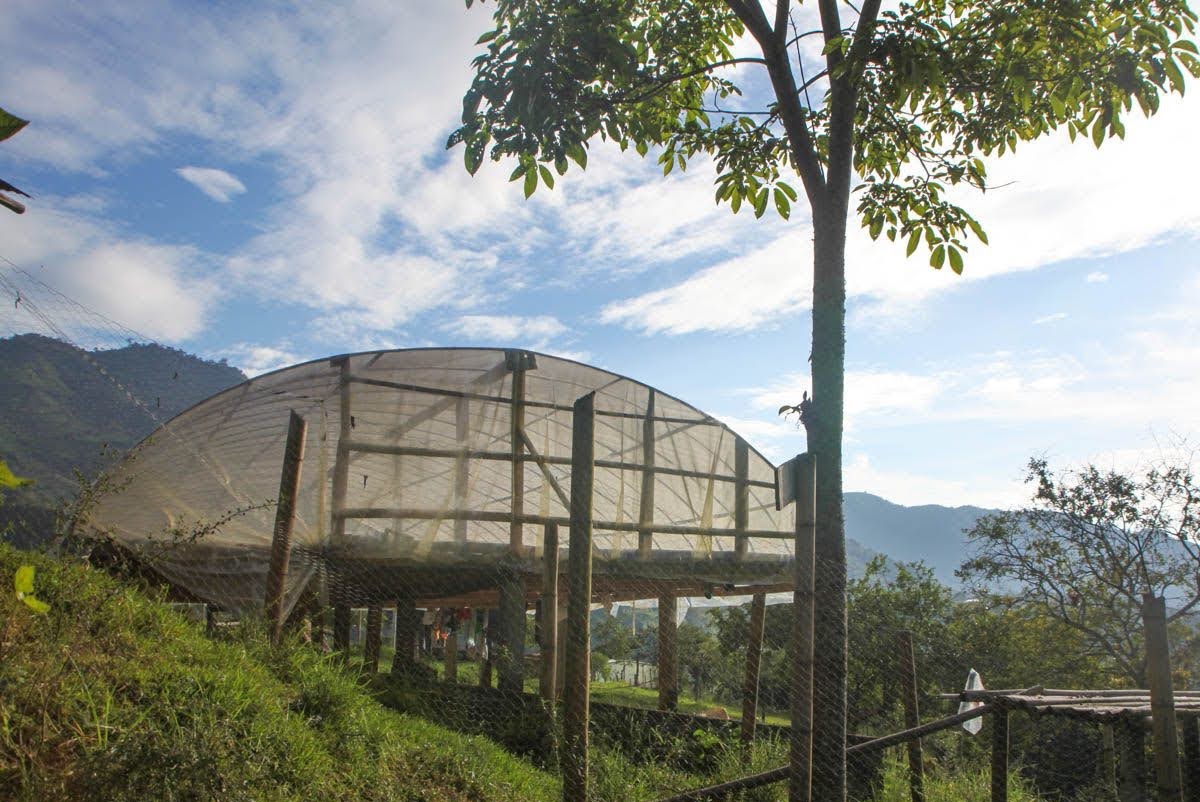
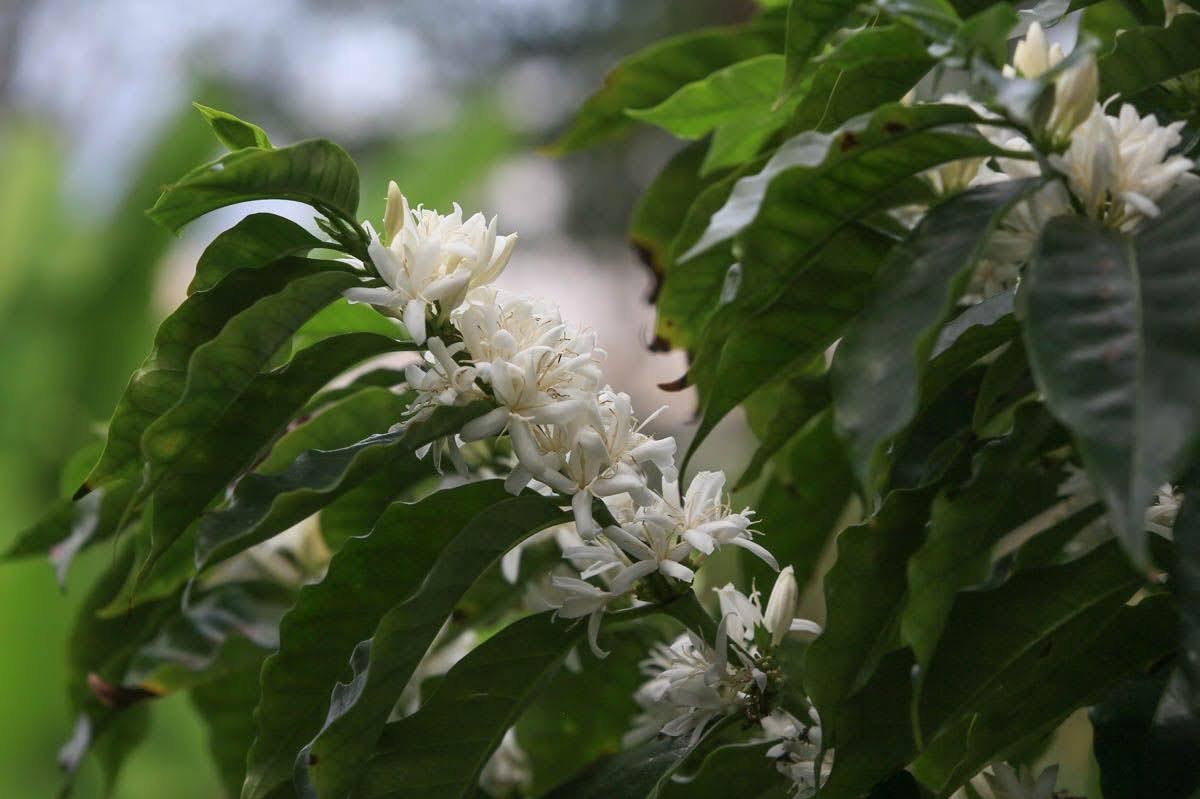
This honey-processed coffee comes from an indigenous group called the Inga in the Aponte region of Nariño, Colombia. The Inga are a pre-Colombian ethnic group related to the Incas who still speak their native tongue, Inga Kichwa. The coffee is grown at a high elevation of 1900 meters in a misty paramó, where producers grow Caturra, Typica, and Variedad Colombia. Interestingly, honey processing is the standard method in this specific region, which is less common in Colombia. Each producer handles their own processing at home, leaving that layer of fruit to dry on raised beds for upwards of two weeks. This slow, subtle fermentation results in a cup that is incredibly "fruit-forward" and complex. This coffee also boasts a deep bitter baking cacao base, which makes it a great fruity espresso coffee.